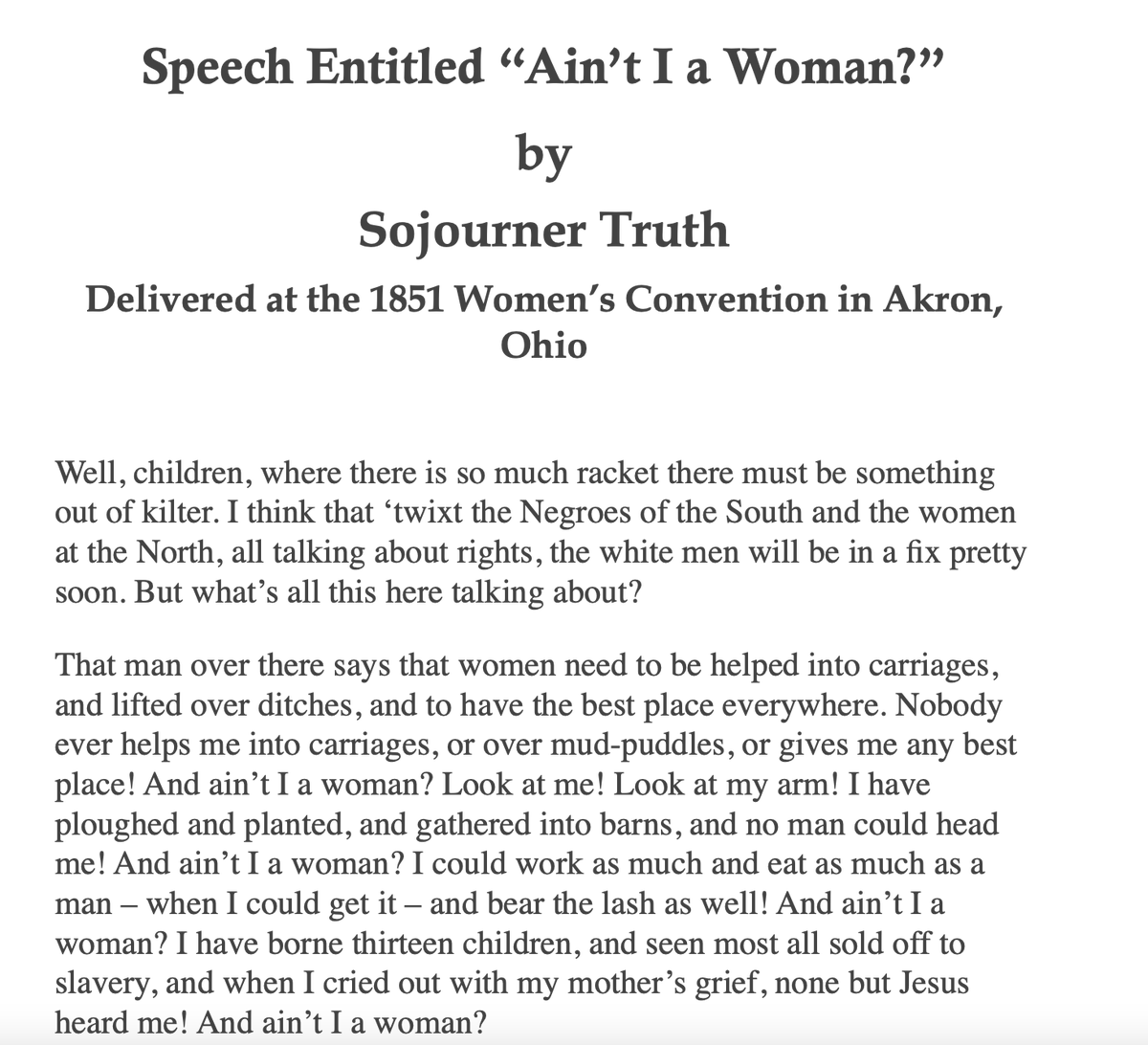
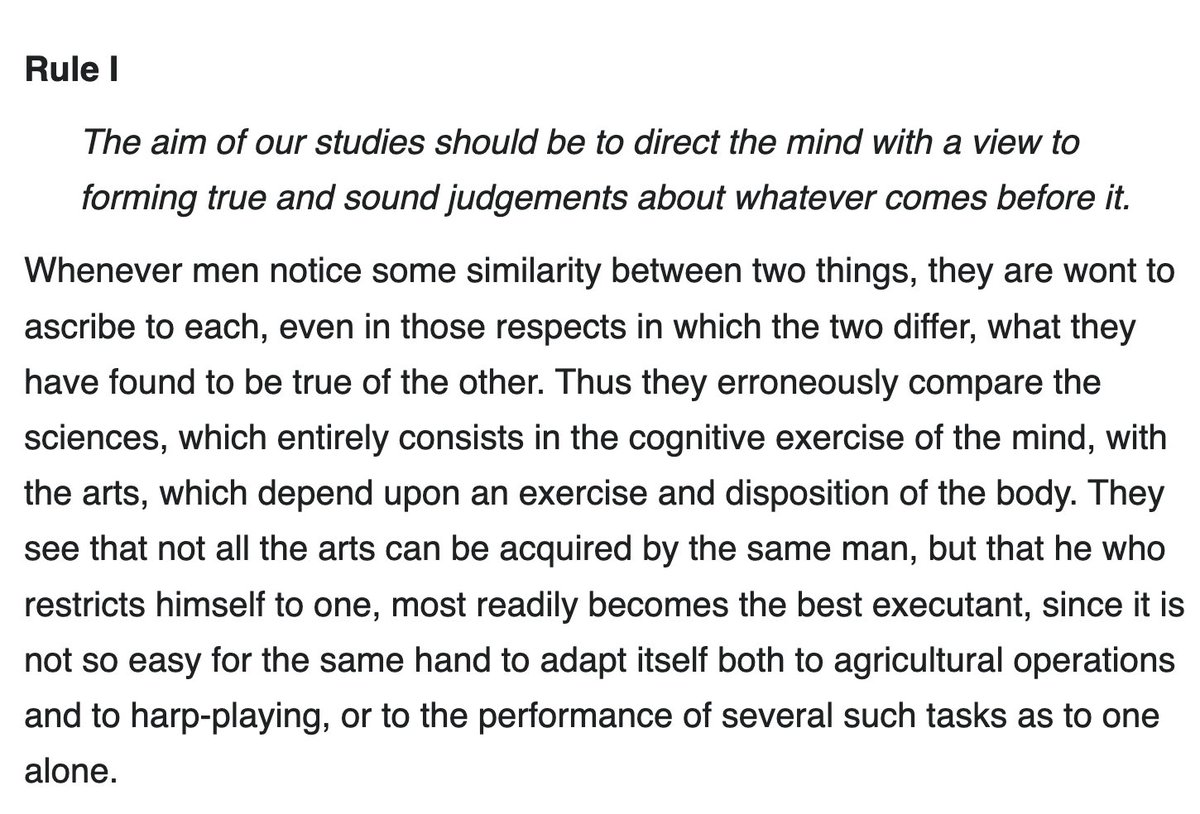
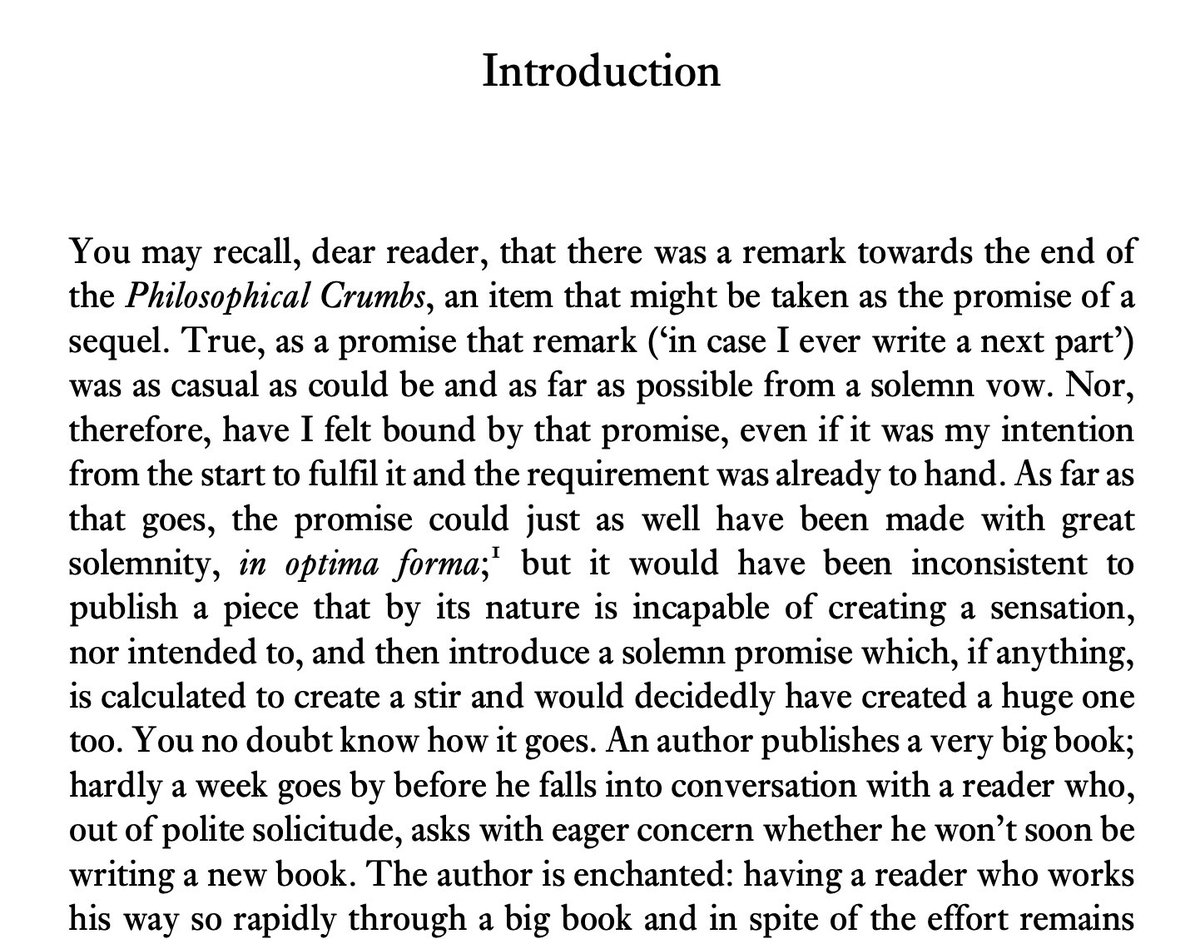
“What are the literary forms philosophy can come in? Judging by contemporary works it seems the best way to express our ideas is in 8000-word journal articles, monographs, the occasional op-ed. But there are so many literary forms to do philosophy in.”
That’s Helen De Cruz (St. Louis University) on Twitter, where she provided a long list of the various literary forms philosophy has came in over the years. With her permission, a version of that list appears below.
[archived image unavailable]
The Various Literary Forms of Philosophy: a Non-Exhaustive List
by Helen De Cruz
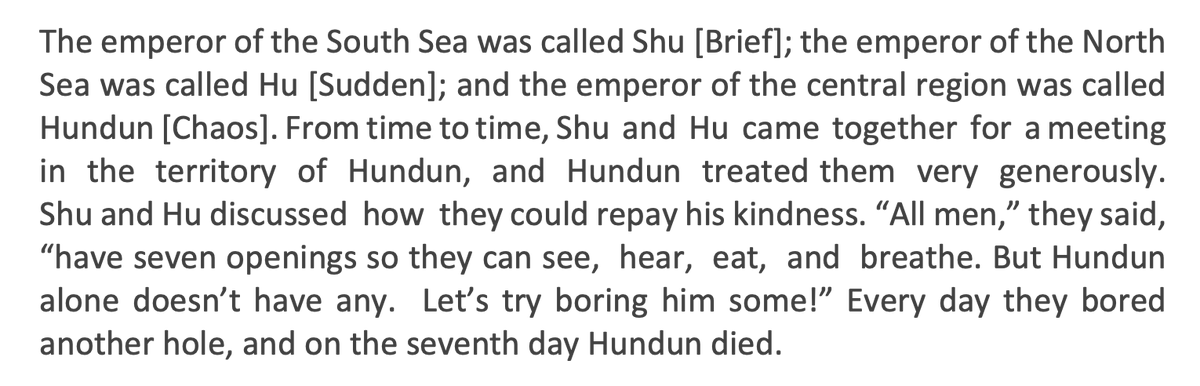
Parables/Stories (example: Zhuangzi, the story of Hundun)
Poems (example: Wang Yangming)
[archived image unavailable]
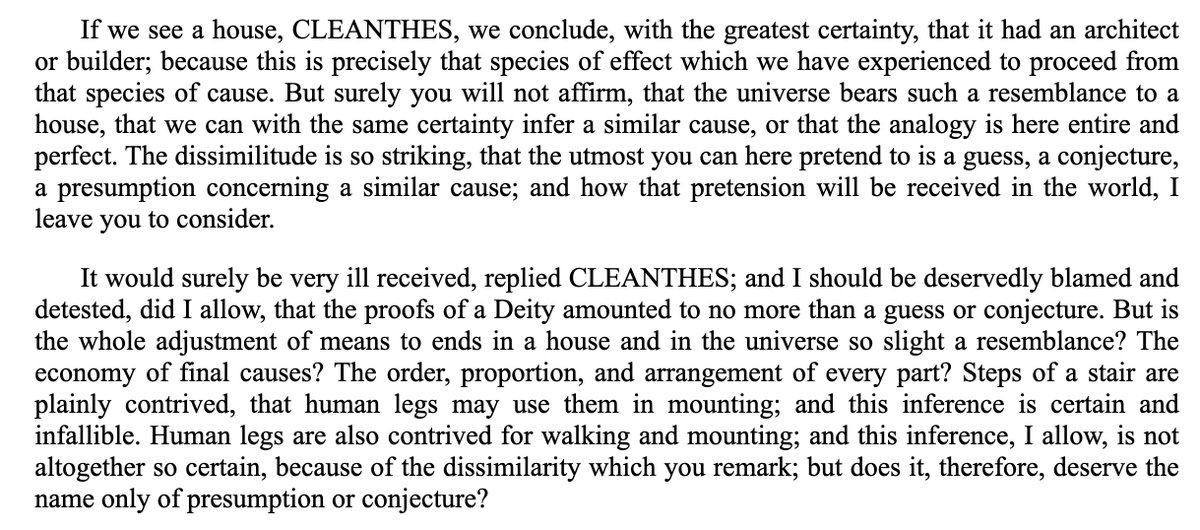
Dialogues (example: Hume, Dialogues Concerning Natural Religion)
Letters (example: Sophie de Grouchy, Letters on Sympathy)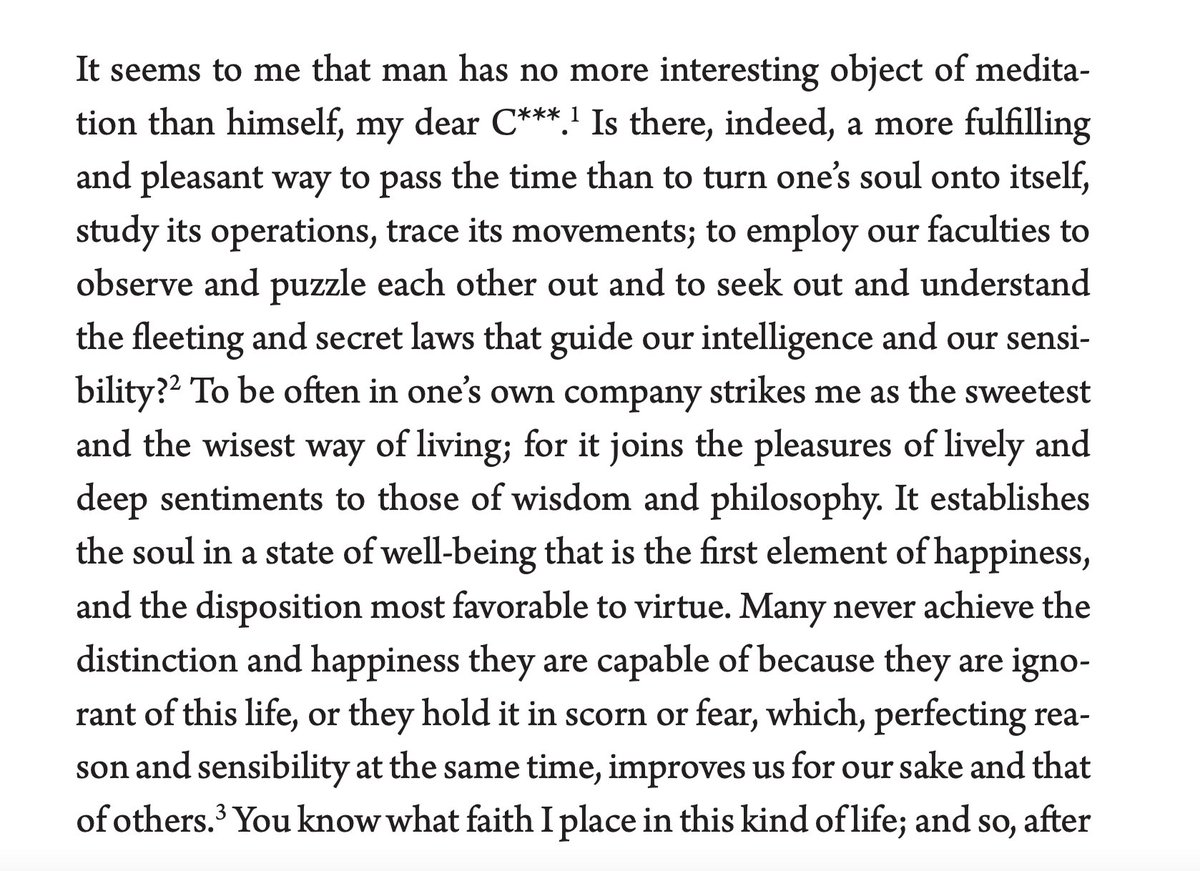
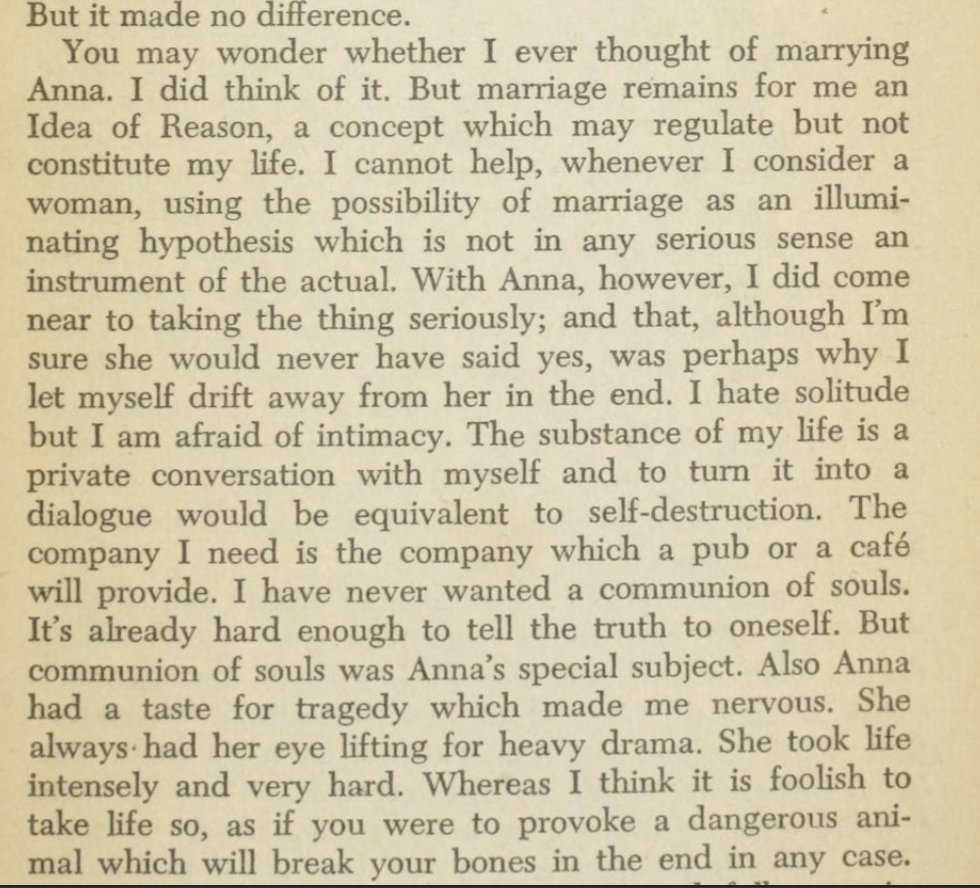
Autobiography (example: Beauvoir, A Very Easy Death)
[archived image unavailable]
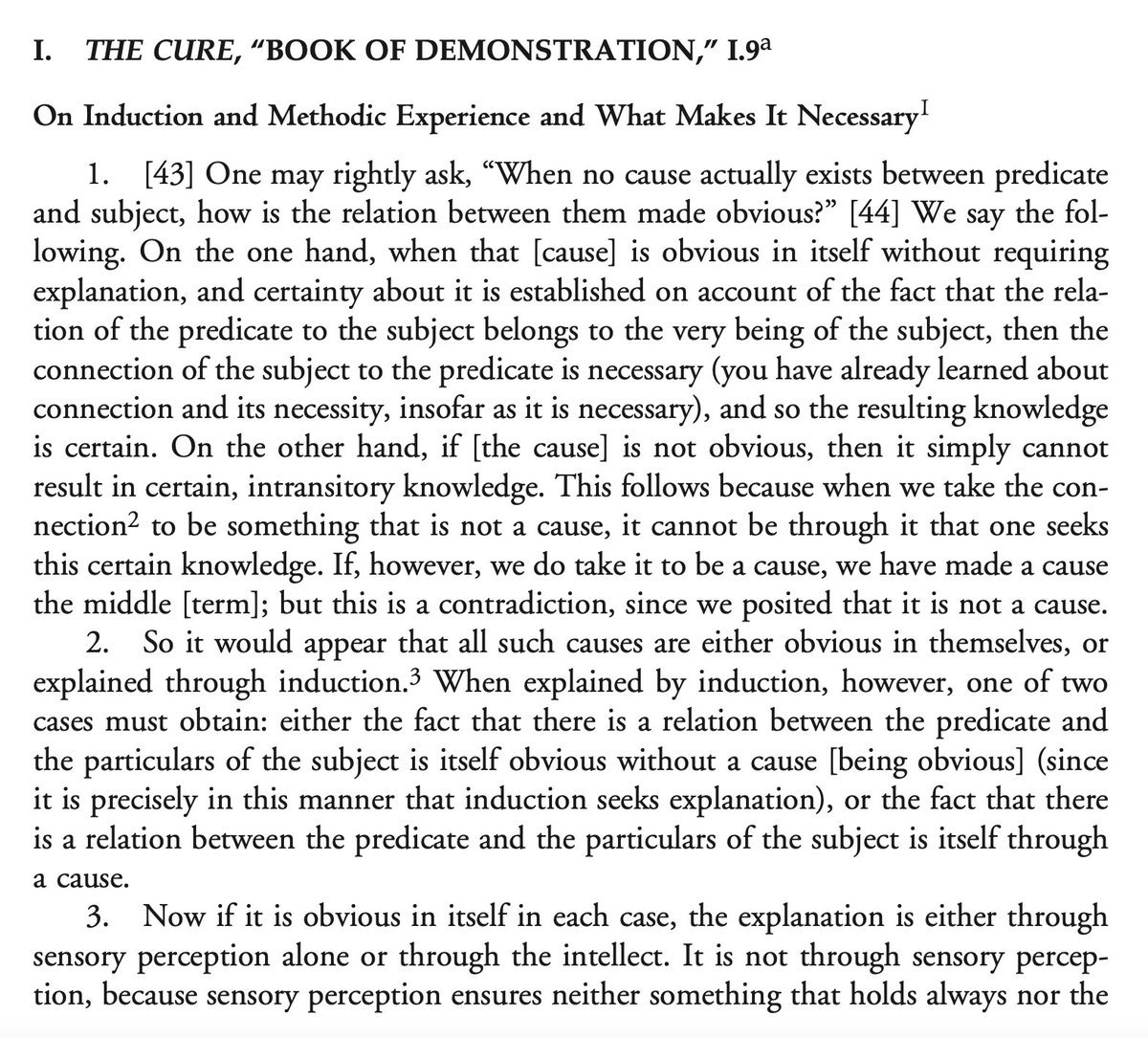
Demonstrations in Geometric Order (example: OK I can only think of Spinoza but still…)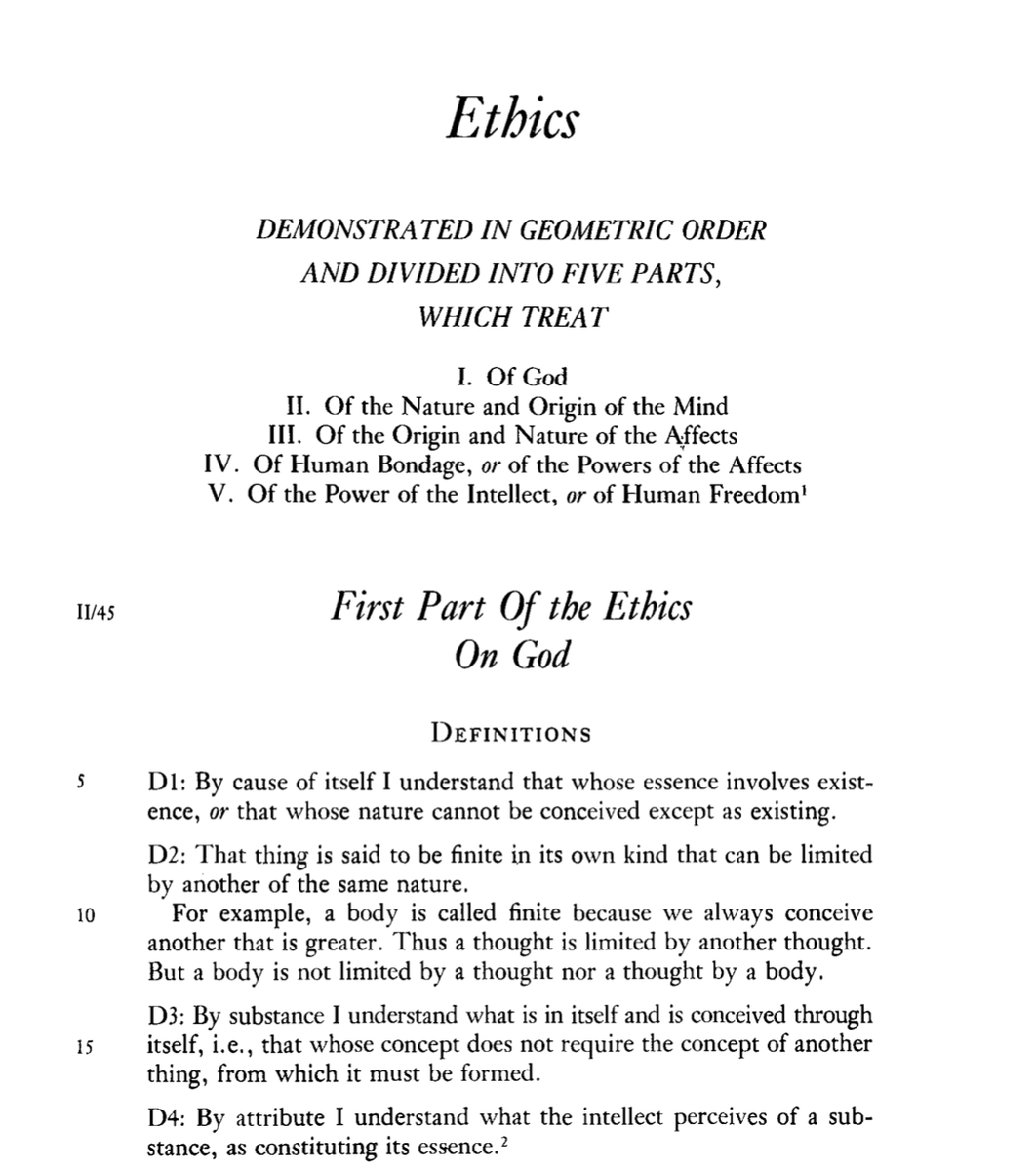
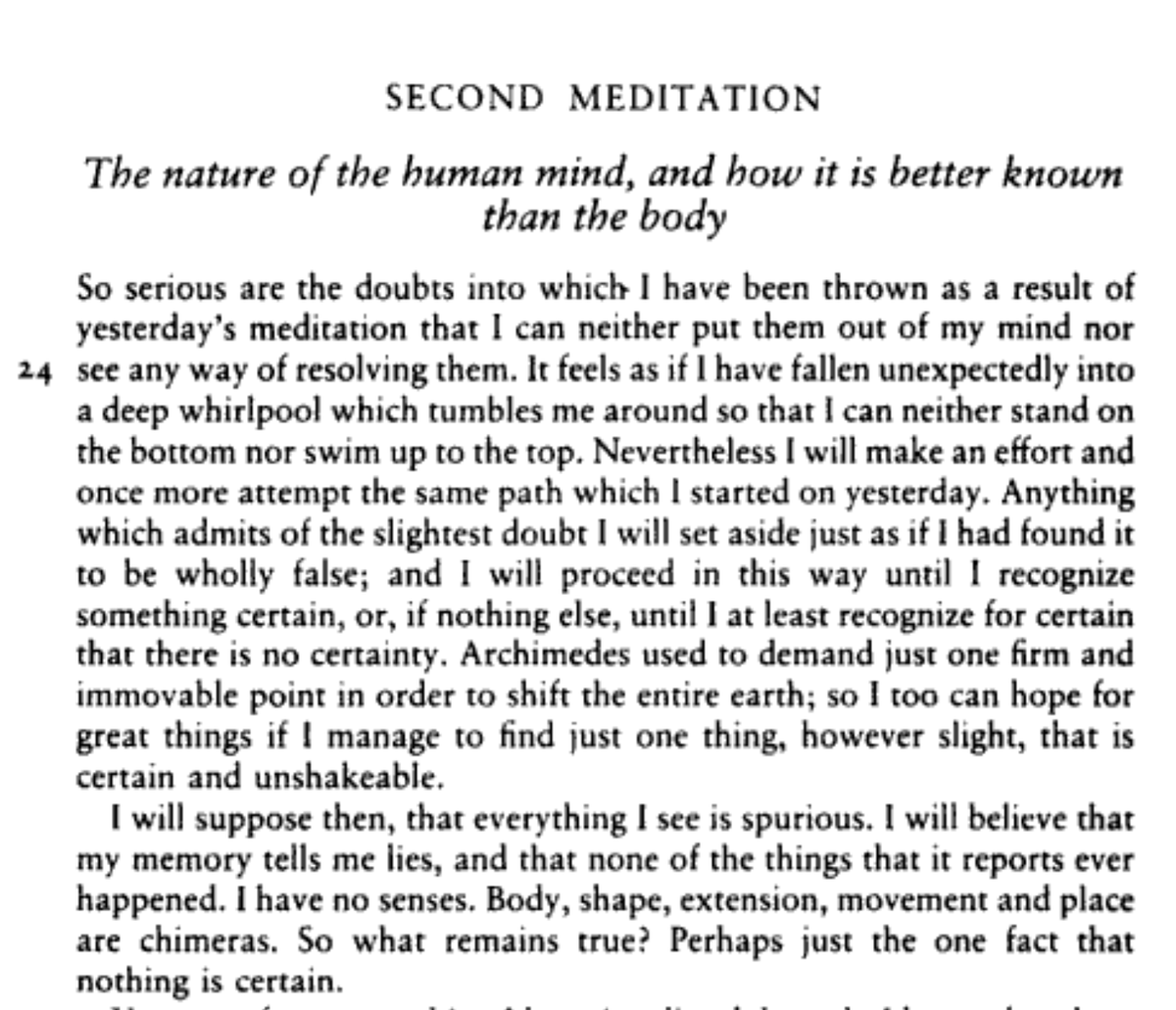
Meditations (example: Descartes, of course)
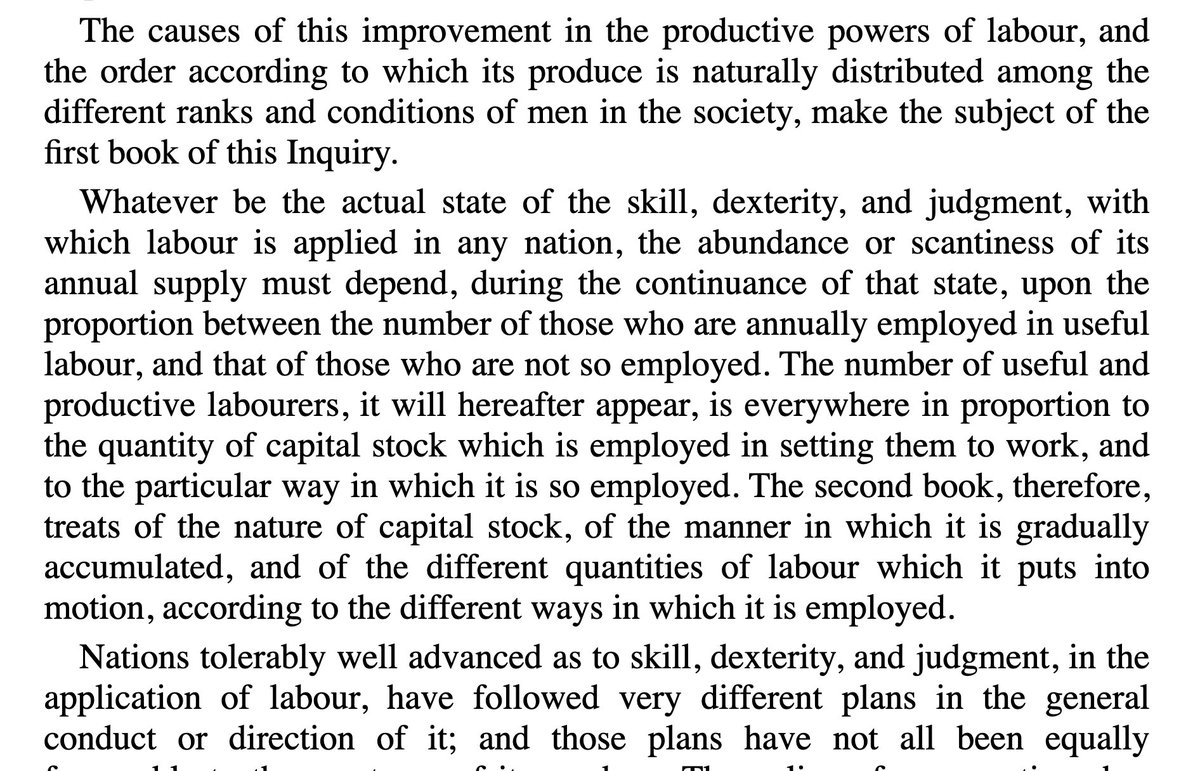
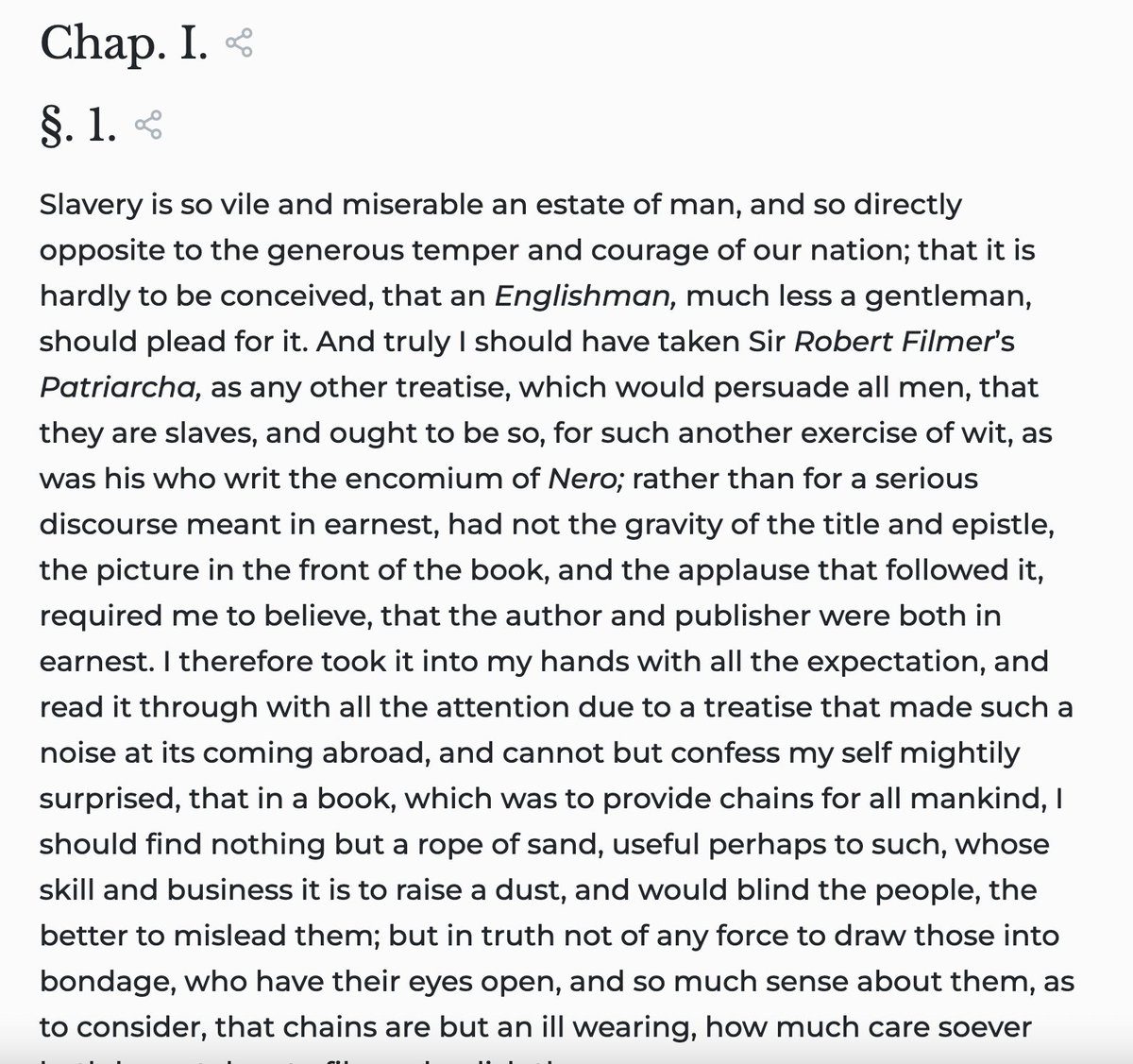
Inquiries of various sorts (example: Adam Smith, An Inquiry into the Nature and Causes of the Wealth of Nations)
Manifestos (example: Vienna Circle Members, 1929, on the scientific conception of the world)
[archived image unavailable]
Genealogies (example: Nietzsche’s Genealogy of Morality)
[archived image unavailable]
Pensées (example: Pascal’s Pensées)

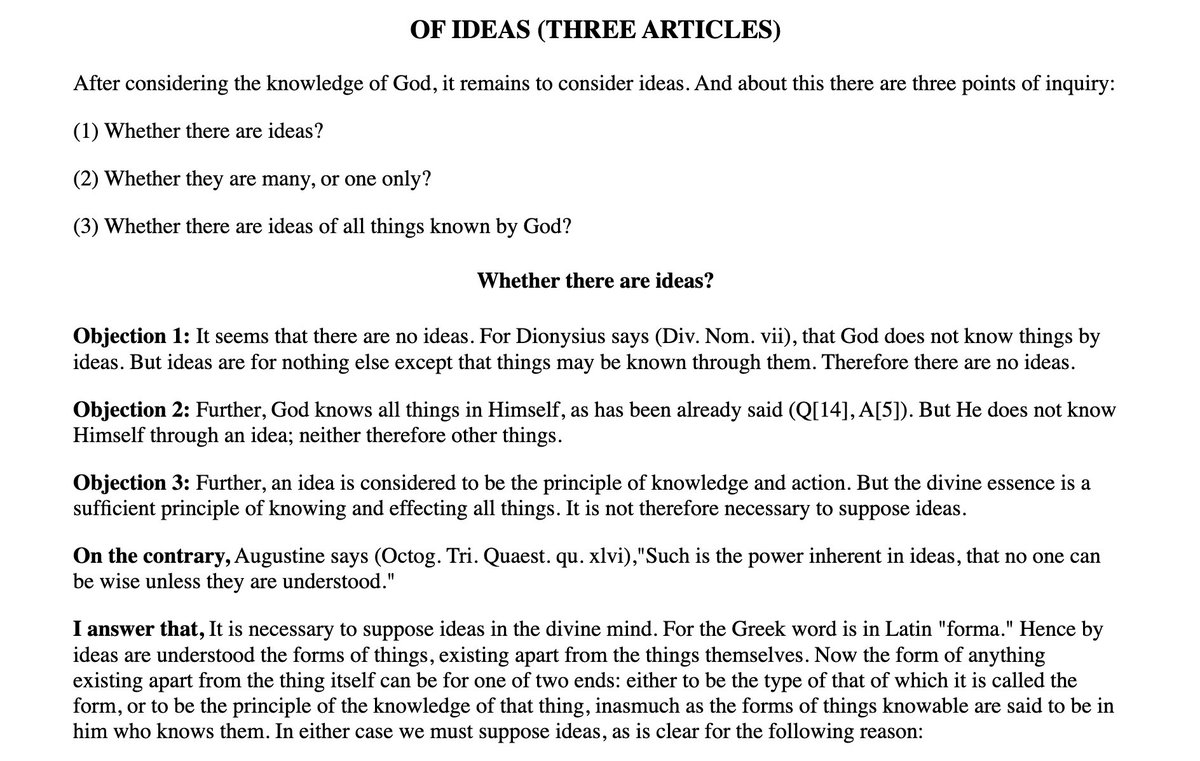
Summae (example: Aquinas’s Summa Theologica)
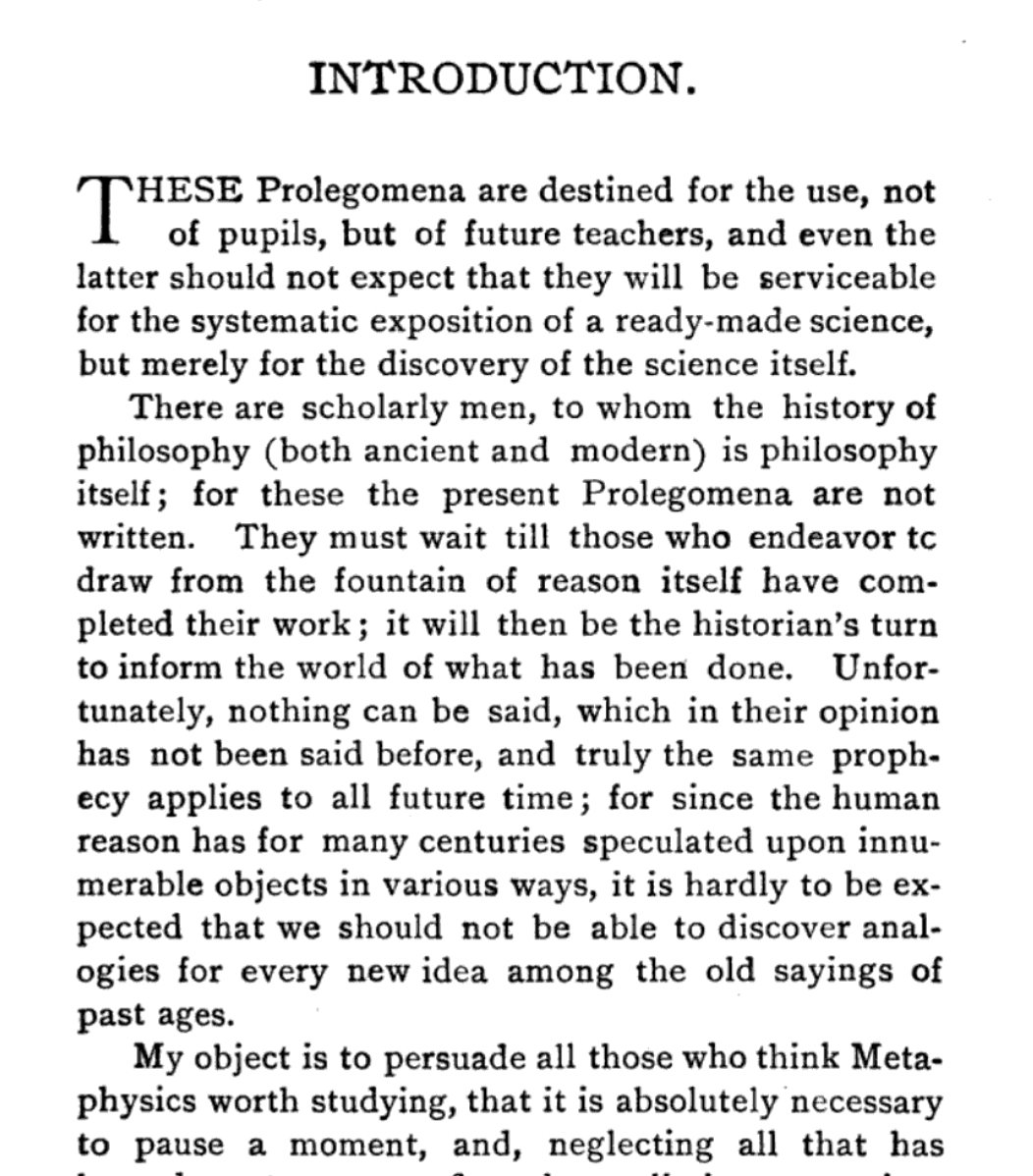
Prolegomena (example: Kant, Prolegomena to Any Future Metaphysics)
Revelations (example: Julian of Norwich’s Revelations of Divine Love)

Commentaries on older texts (example: Zhu Xi’s commentaries on the Mengzi)
[archived image unavailable]
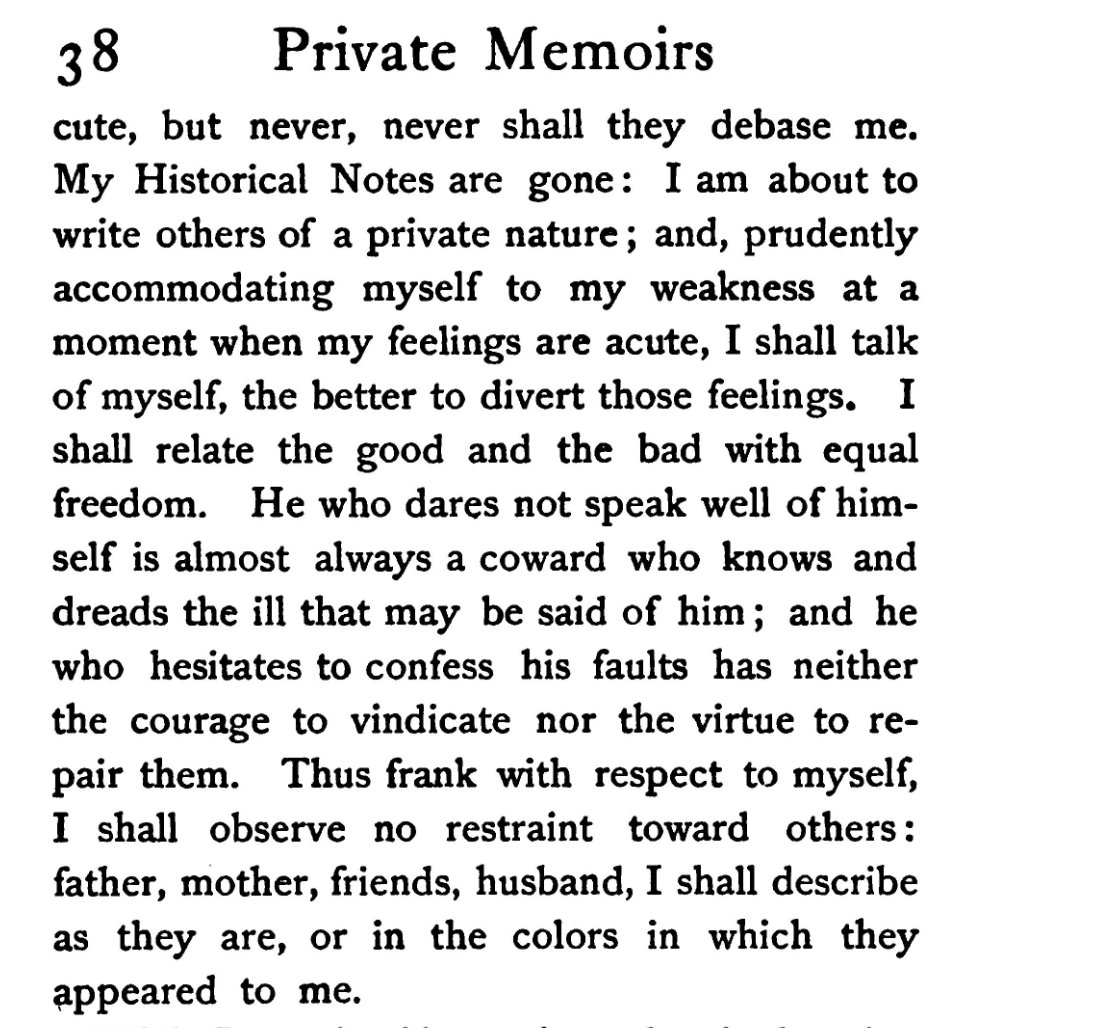
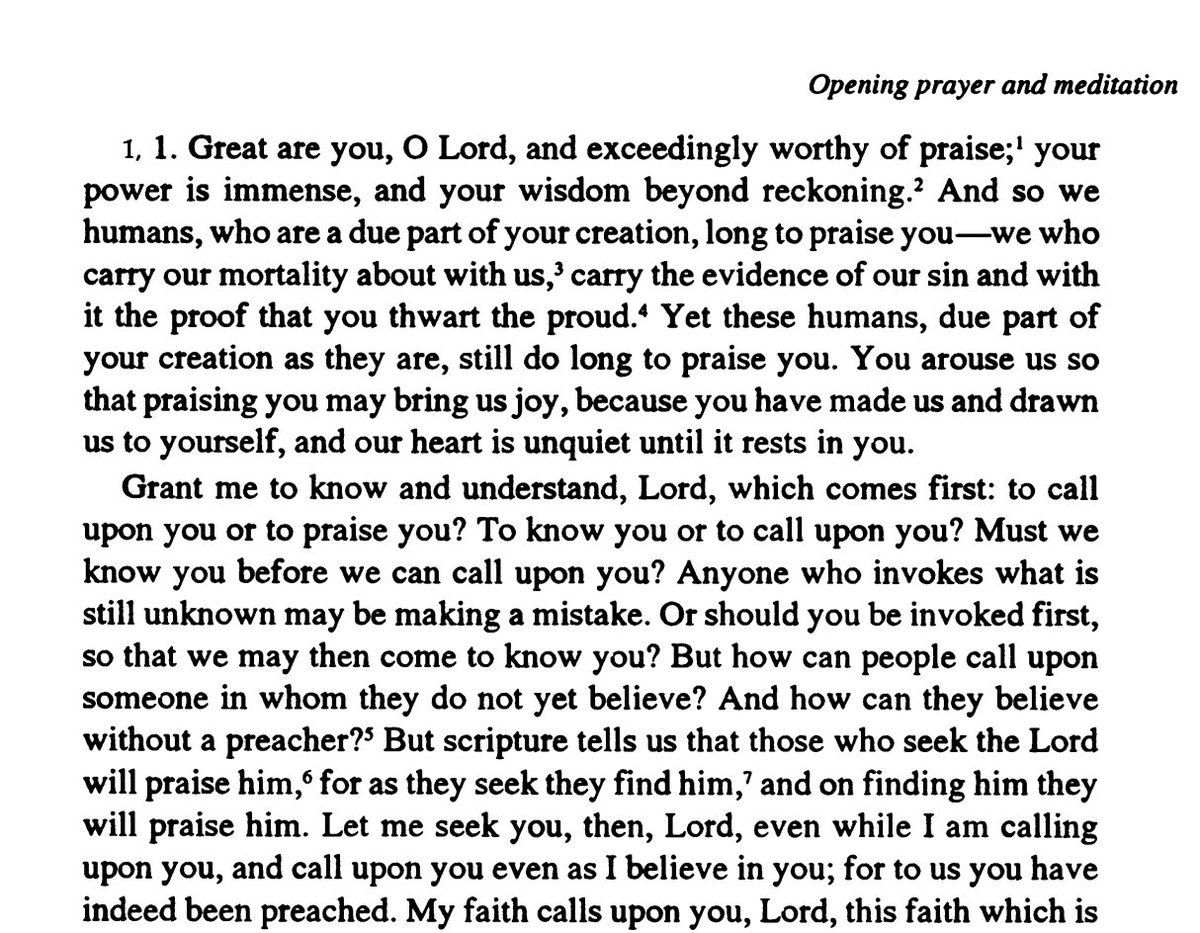
Confessions (example: Augustine’s Confessions)
Allegories (example: Christine de Pisan, The Book of the City of Ladies)
Plays (example: Jean-Paul Sartre’s No Exit)
Psychoanalysis (example: Franz Fanon, Wretched of the Earth)
Outlines (example: Condorcet, Outlines of an Historical View of the Progress of the Human Mind)
Tractatus (and similar lists of succinct statements) (example: Ludwig Wittgenstein’s Tractatus Logico-Philosophicus)

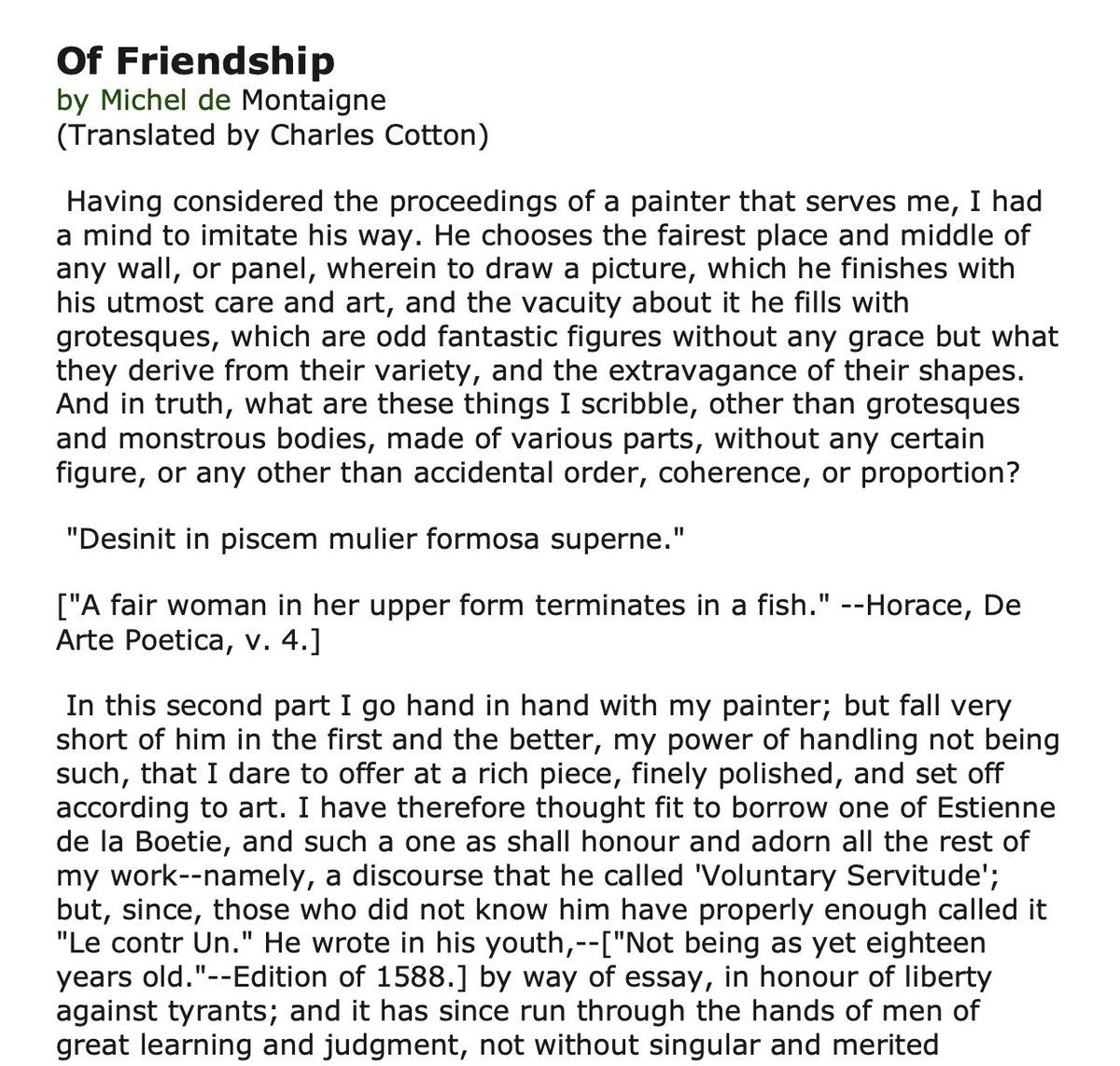
Essays (example: Michel de Montaigne, Of Friendship)
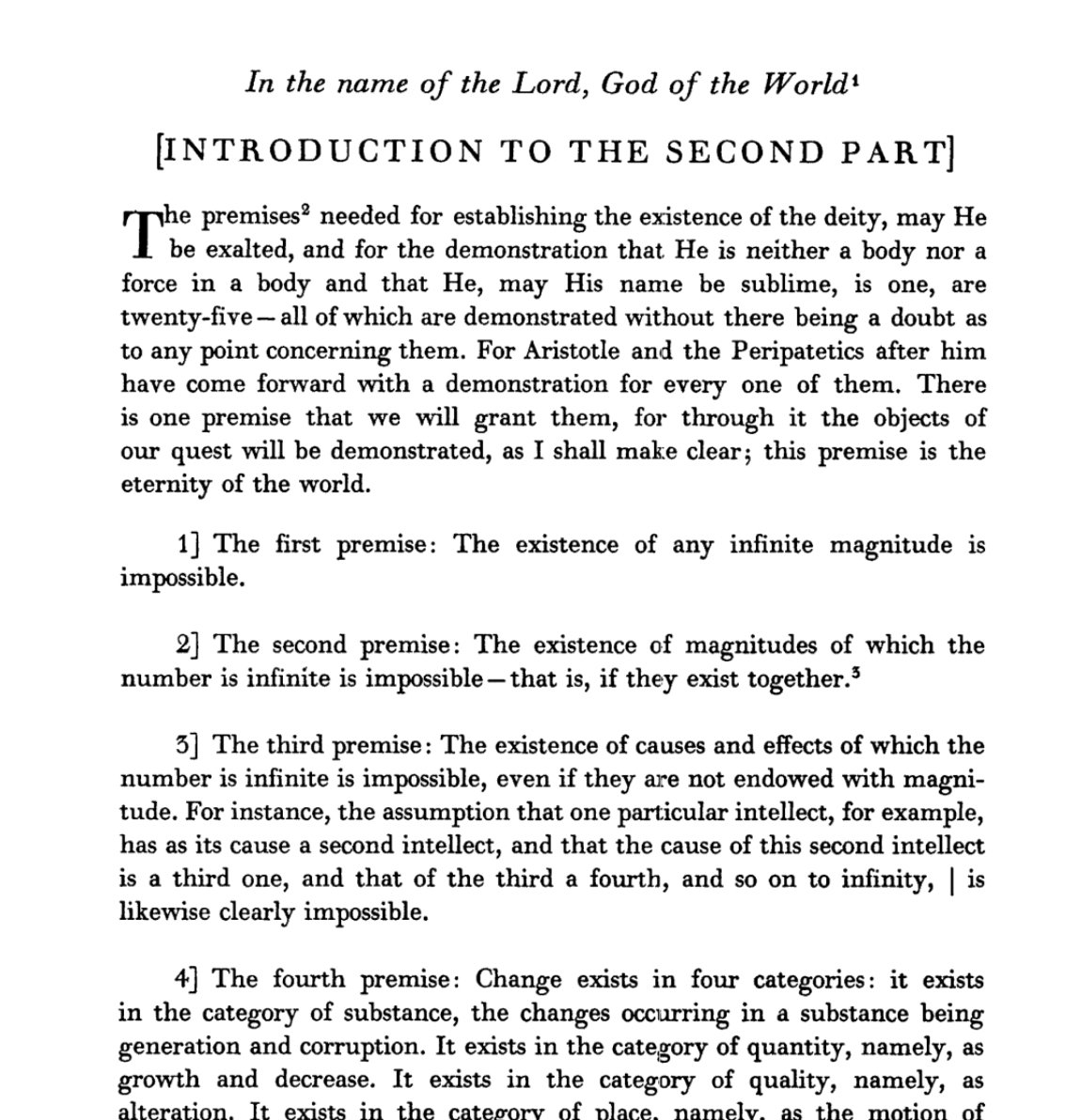
Guidebooks (example: Maimonides, Guide for the Perplexed)
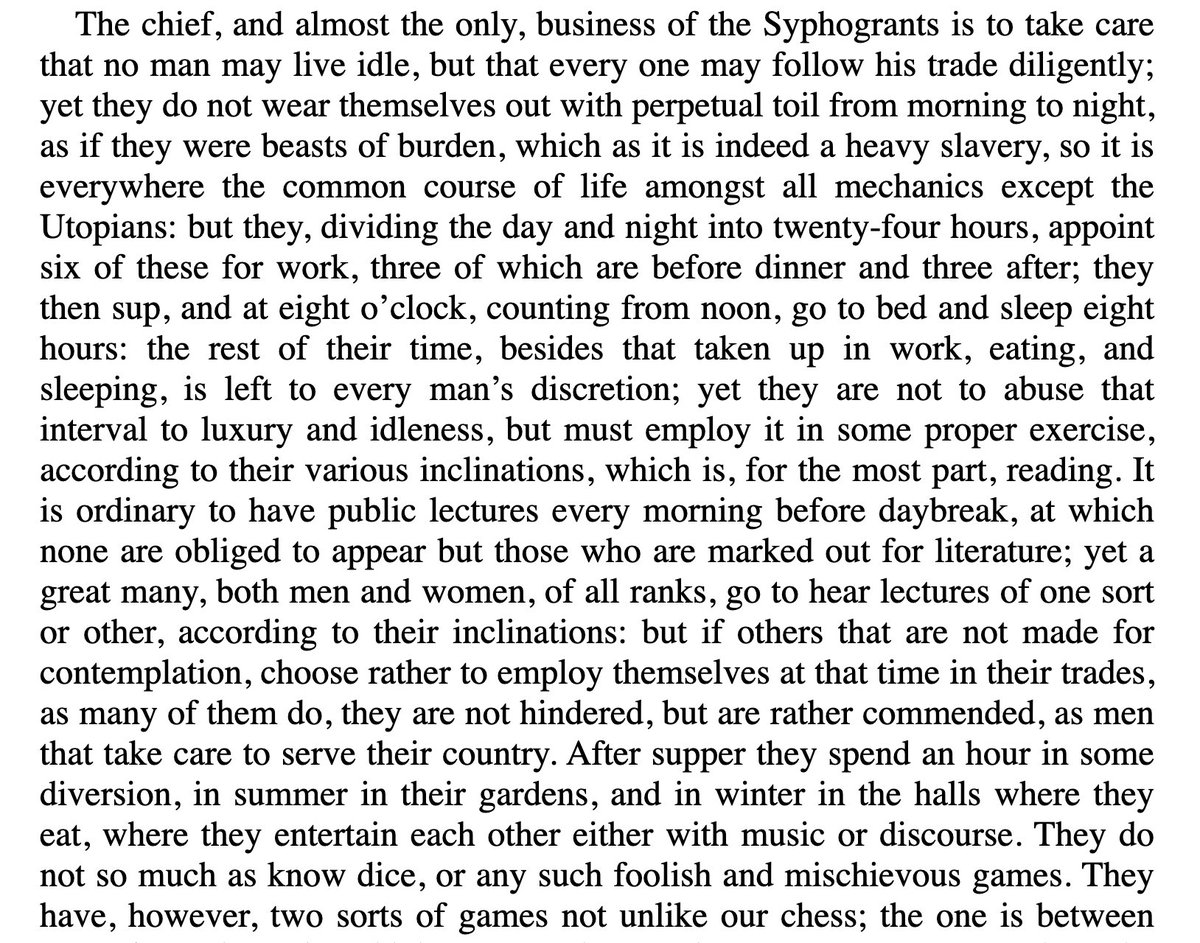
Utopias (example: Thomas More, Utopia)
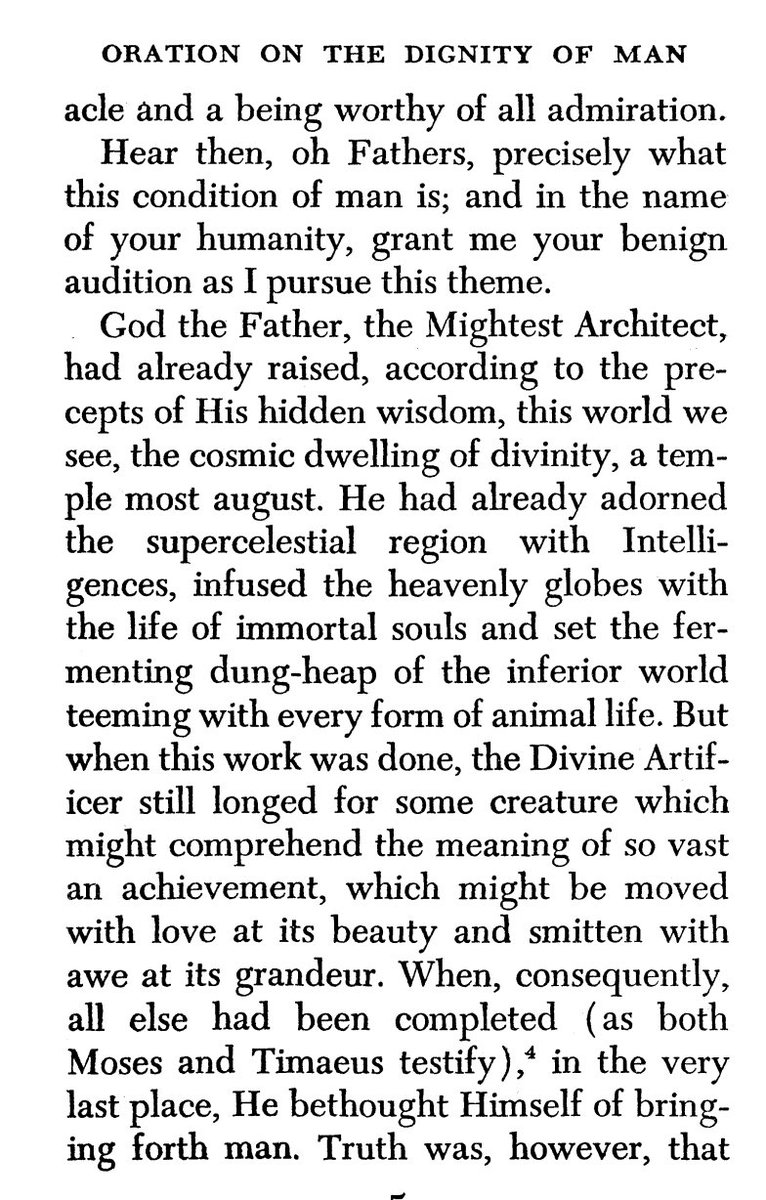
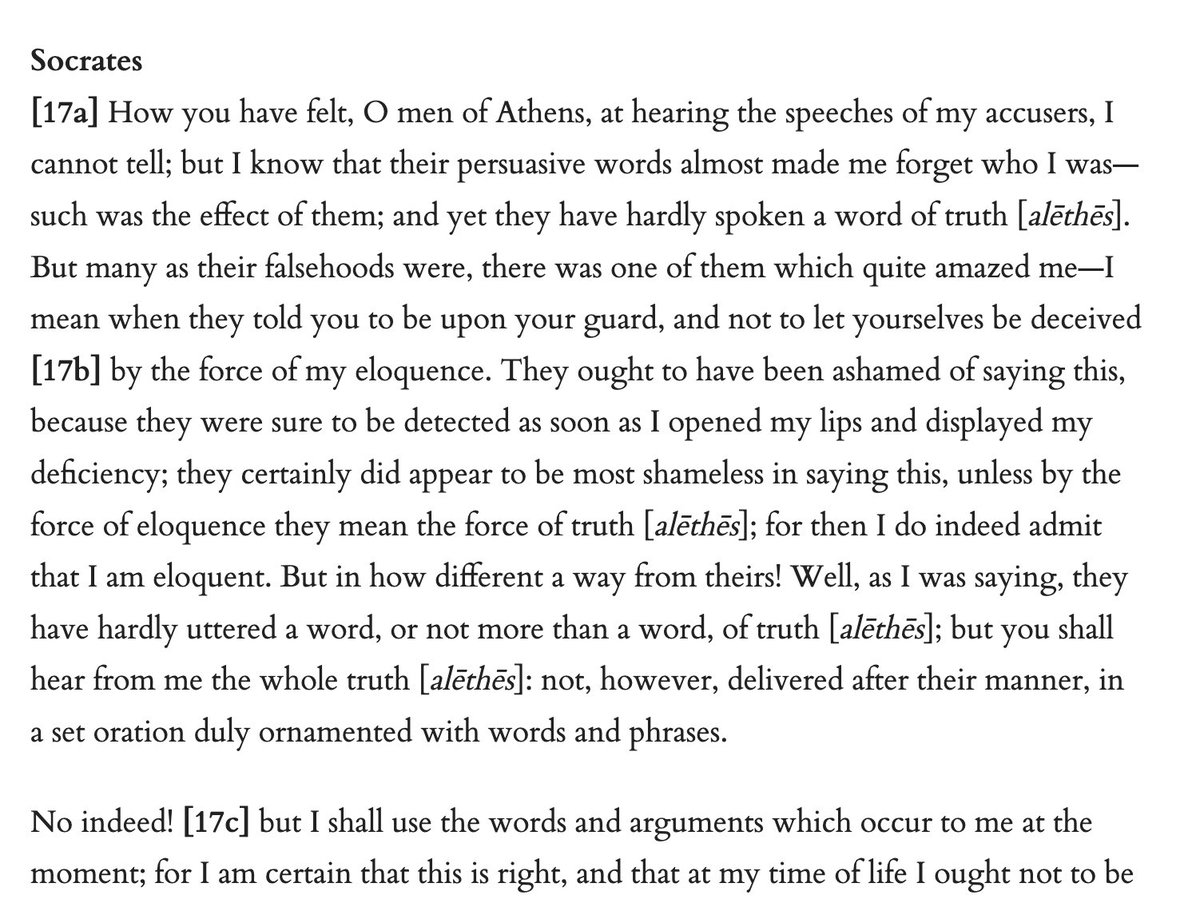
Orations (example: Giovanni Pico della Mirandola, Oration on the Dignity of Man)
Trial Reports/Histories (example: Hannah Arendt, Eichmann in Jerusalem)

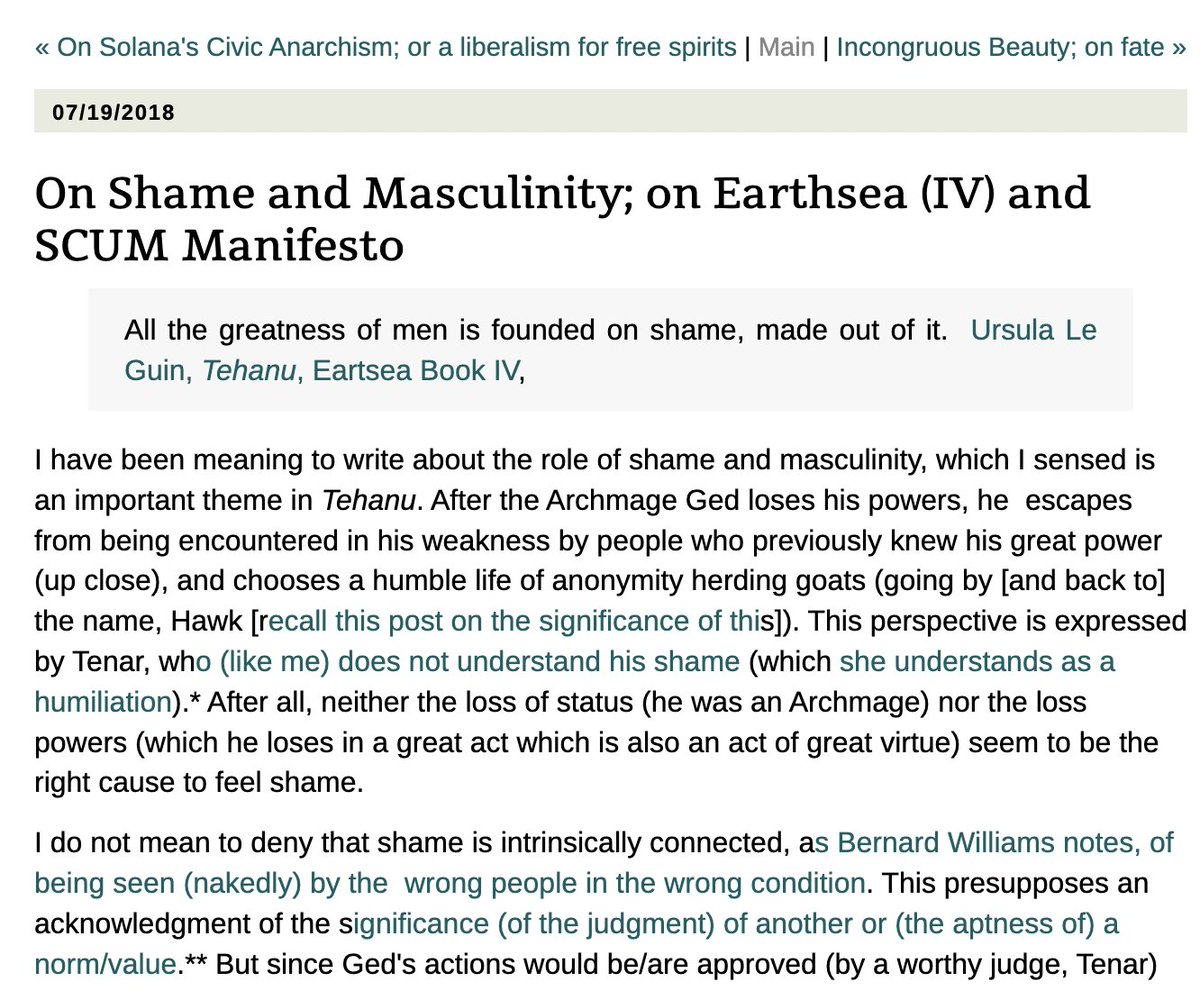

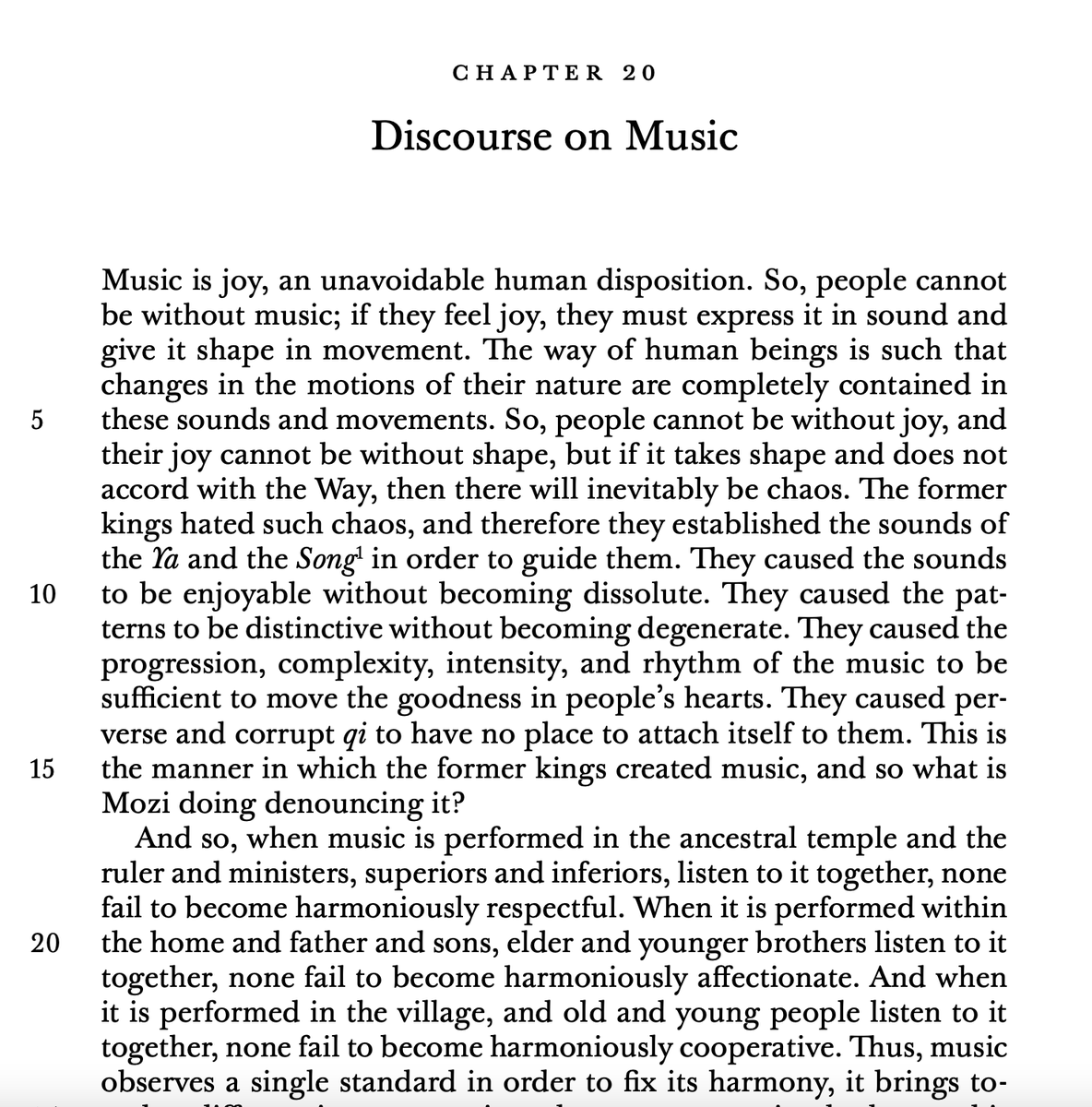
Discourses (example: Xunzi, Discourse on Music)